Revamp The Environment: Tips for Hiring the Most Qualified Floor Contractor
Modifying your area begins from the foundation up, and selecting the right surface professional is crucial to achieving the concept you have in mind. Whether you are renovating a home home or overseeing a industrial initiative, the contractor you decide on will play a critical role in making sure that your floor not only looks spectacular but also withstands the test of time. With so many options accessible, it can be difficult to cope with the intricacies of hiring a surface specialist who matches with your particular needs and standards.
To support you arrive at an knowledgeable choice, we have gathered essential tips and critical questions to pose when evaluating potential contractors. Understanding the details of flooring setup, from wetness management to visual factors, is important in this process. By utilizing our guide, you will not only understand how to evaluate a specialist's work samples for quality but also find out how to avoid common pitfalls that could lead to costly delays or compromised outcomes. Let us investigate into the key aspects of hiring the ideal surface specialist to make sure your project is executed without a hitch.
Critical Queries to Pose Flooring Professionals
When selecting a flooring professional, it is important to pose the correct inquiries to ensure quality work and a seamless process. Begin by asking about their background and proficiency with certain flooring materials relevant to your project. Inquire how many years they have been in the business and if they can supply contacts from past clients. This will offer you understanding into their reliability and craftsmanship, essential for making an educated decision.
Next, address their approach for underfloor preparation and whether they have expertise addressing issues like dampness and floor flatness. Understanding how they approach these frequent challenges can show their focus to detail and commitment to a lasting installation. Additionally, question about the supplies they favor to use and how they consider strength with appearance, as this will influence both the visual appeal and lifespan of your flooring.
Lastly, clarify their approach to project timelines and financial management. Inquire about prior projects that were over budget and how they were handled. Ensuring that your professional has procedures in position for avoiding financial mistakes that could extend the project is crucial. Topographic Surveys Teddington establishes the foundation for a clear and collaborative partnership throughout your flooring project.
Evaluating Flooring Contractor Portfolios
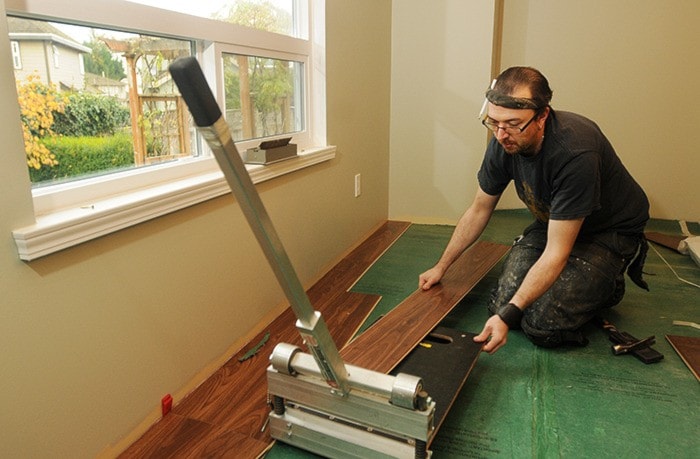
As you are thinking about a FLOOR contractor, carefully examining their work samples is important in evaluating their capabilities. Pay attention for variety in their previous projects, as this can indicate adaptability across various styles and materials. A robust portfolio will feature a mix of home and business work, allowing you to gauge the professional's experience level and expertise in managing different types of FLOOR installations.
Notice the quality of the finishes in the showcased projects. Are the seams tight, and is there uniform craftsmanship throughout? This is especially important for premium projects where visual precision is essential. Additionally, evaluate how Topographic Surveys Ham manages challenging scenarios, such as integrating different flooring materials or working within limited spatial constraints. These details reflect their problem-solving skills and innovative approaches in FLOOR design.
Finally, consider client testimonials and case studies featured within the collection. Positive feedback from past clients frequently showcases the contractor's professionalism, communication, and reliability throughout the project. Talking with references or checking reviews can provide deeper insights into their working style and the general satisfaction of their clients, helping you make a better decision.
Typical Blunders and Cost Control
One of the most prevalent mistakes when hiring a flooring contractor is the absence of a clear scope. Inability to define specific needs can lead to misunderstandings, resulting in additional costs and delays. A detailed scope helps ensure that both the contractor and client are aligned on project goals, resources, timelines, and cost parameters. Drafting this scope correctly can prevent disputes and allow for more efficient project flow.
Another key area where costs can escalate is selecting materials. Clients often concentrate on looks without factoring in durability and maintenance needs, which can result in costly repairs or replacements later. Flooring contractors often balance these factors using their expertise, ensuring selected materials fulfill design requirements while adhering to budget and future needs. Having detailed conversations about material options can avert expensive missteps.
Finally, coordination with other trades is crucial to avoid project delays. Overlapping schedules between flooring installation and mechanical or electrical work can lead to delays impacting the project schedule and expenses. Ensuring that your flooring contractor collaborates with other professionals from the outset creates a cohesive workflow. Effective communication and scheduling are vital aspects that help manage costs and keep the project on track, ultimately benefitting both the contractor and the client.