A Floor Contractor's Guide: Essential Advice for Property Owners
When it comes to home renovations, one of the most critical decisions homeowners face is choosing the right flooring contractor. The quality of the floor can significantly influence both the aesthetic appeal of a location but also its functionality and durability. An experienced contractor can seamlessly execute your design while ensuring that all necessary prepping and installations are handled with care. However, navigating the world of flooring contractors can be daunting.
To empower homeowners in their decision-making process, we’ve gathered essential tips and insights into the toolkit every homeowner should consider. From important questions to ask before hiring a commercial flooring contractor to understanding the science of material selection, this guide aims to arm you with the knowledge to make informed choices. Whether you are beginning a high-end hardwood project or considering a custom flooring installation, knowing what to look for and expect from your contractor can make all the difference in achieving the flawless finish for your home.
Critical Queries for Selecting Contractors
When evaluating the appropriate flooring professional for your project, it is crucial to ask the necessary queries to confirm you are making an intelligent decision. Start by querying about their qualifications and experience. Ask for Topographic Surveys Whetstone , coverage, and references from previous clients. A trustworthy contractor should have a proven history of satisfactory projects and content customers. This will give you an understanding into their trustworthiness and professionalism.
Next, delve into the details of their skills related to your flooring preferences. It is imperative to ask about their knowledge with the types of flooring materials you are considering, such as laminate, stone, or floor covering. Discuss their approach for underlayment preparation and how they tackle common issues like water damage or flattening. Understanding their approach to these fundamental aspects will help you assess their competency in delivering a top-notch installation.
Finally, talk about the project's timeline and cost estimate. Ask about the potential issues they foresee and how they plan to mitigate setbacks or cost overruns. A clear contractor will provide a detailed outline and have systems in place to handle unexpected issues without sacrificing quality. This conversation will establish clarity and promote a more efficient cooperation throughout the job.
Conquering Subfloor Preparation Methods
Effective subfloor setup is the foundation of a successful flooring setup. It is crucial for homeowners to realize that humidity and evenness issues can significantly undermine the quality and longevity of the final floor. Before beginning any flooring project, a thorough assessment of the subfloor is essential. This includes testing for moisture content, analyzing structural integrity, and verifying that the surface is level and clean. Proper testing methods should be utilized to recognize and address any moisture-related issues before laying begins.
Leveling the subfloor is another crucial aspect that professionals must focus on. Irregular surfaces can lead to warping, fracturing in the finished flooring. Topographic Surveys Ham should seek for experts who use advanced techniques such as self-leveling mixtures or floor prep systems to achieve a even, solid base. Additionally, it's crucial that the selected contractor communicates the methods they will use to ensure that the substrate is properly set to support the flooring material selected.
Finally, care to detail during the subfloor setup phase can save homeowners from costly fixes down the line. Comprehending the particular criteria and standards related to various flooring materials is essential. For instance, certain lumber may demand a more extensive moisture barrier, while tile installations must adhere to stringent leveling norms. Partnering intimately with a skilled flooring contractor will aid ensure that these important specifications are met and that the durability and soundness of the flooring are protected.
Assessing Flooring Contractor Portfolios and Aesthetics
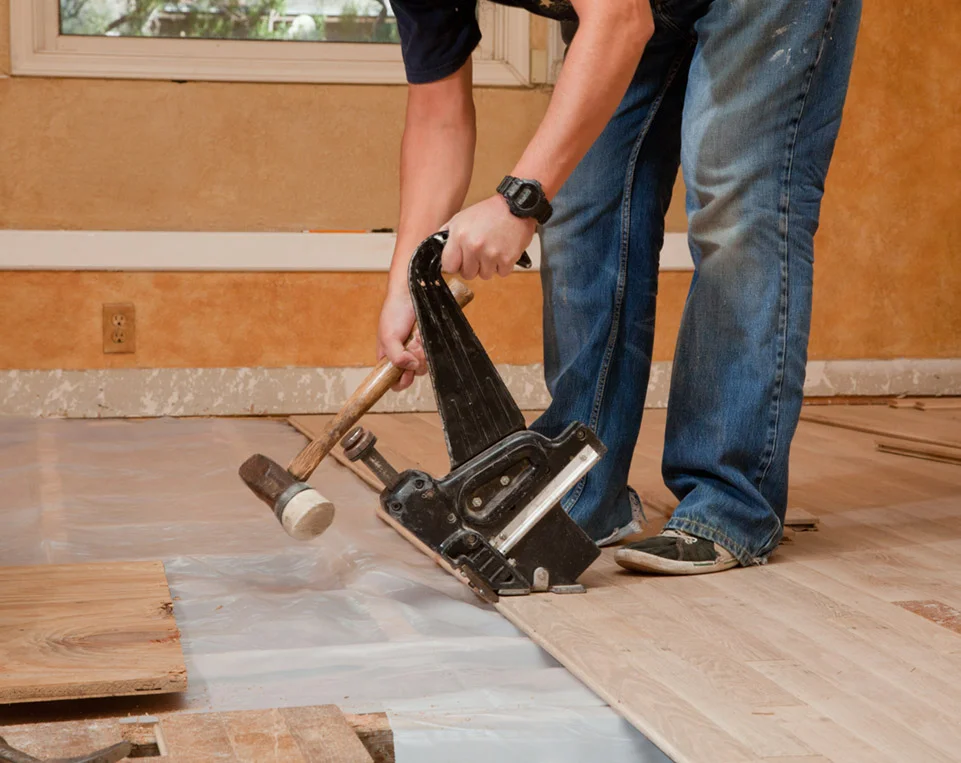
While evaluating a contractor, the portfolio serves as a crucial signal of both expertise and aesthetic sensibilities. When you review past projects, give careful attention to the diversity of designs presented. A strong portfolio must feature a variety of flooring types and finishes, from wood to ceramic, showing an aptitude to adapt designs to various building contexts. Look for projects that resonate with your individual taste, as this can signal the contractor's capacity to bring vision into reality.
In addition to style variation, evaluate the quality of craftsmanship displayed in each project. Focus on details like grain matching, smooth transitions, and the general uniformity of finishes. Reviewing high-resolution images or site visits can assist you better understand the contractor’s expertise. Perfect installations not only enhance aesthetics but can also indicate the contractor's focus on details and commitment to quality control throughout the process.
Finally, think about how the contractor works together with designers and architects to maintain design cohesion. Successful projects typically involve clear communication and a shared comprehension of design intent. Inquire potential contractors about their collaborative process and how they include feedback from fellow professionals in the field. A contractor who appreciates this synergy is better positioned to deliver exceptional results that align with your vision, ensuring a unified look throughout your area.