A Bright Side of Design: Applicable Natural Light Analysis Insights
In a world progressively focused on sustainability and energy efficiency, the importance of sunlight assessment in architectural design has never more significant. As modern architects seek to design environments that harmonize with daylight, comprehending how to leverage daylight can bring about remarkable enhancements in both the performance of buildings and user happiness. This article delves into the positive aspects of architecture and examines the numerous advantages of integrating daylight analysis into the design process.
Covering boosting energy use in office buildings to boosting the wellness of users in educational facilities and healthcare facilities, daylight analysis offers actionable findings that can transform how we tackle design. We will discuss key ideas such as the concept of daylight factor, the autonomy of daylight in architecture, and the modeling of daylight according to climate, while also looking at instruments and techniques that architects can utilize. By embracing the tenets of daylight analysis, architects can not just comply with regulations like LEED certification and BREEAM but also promote a wellness-oriented, greener constructed environment.
Understanding Natural Light Analysis
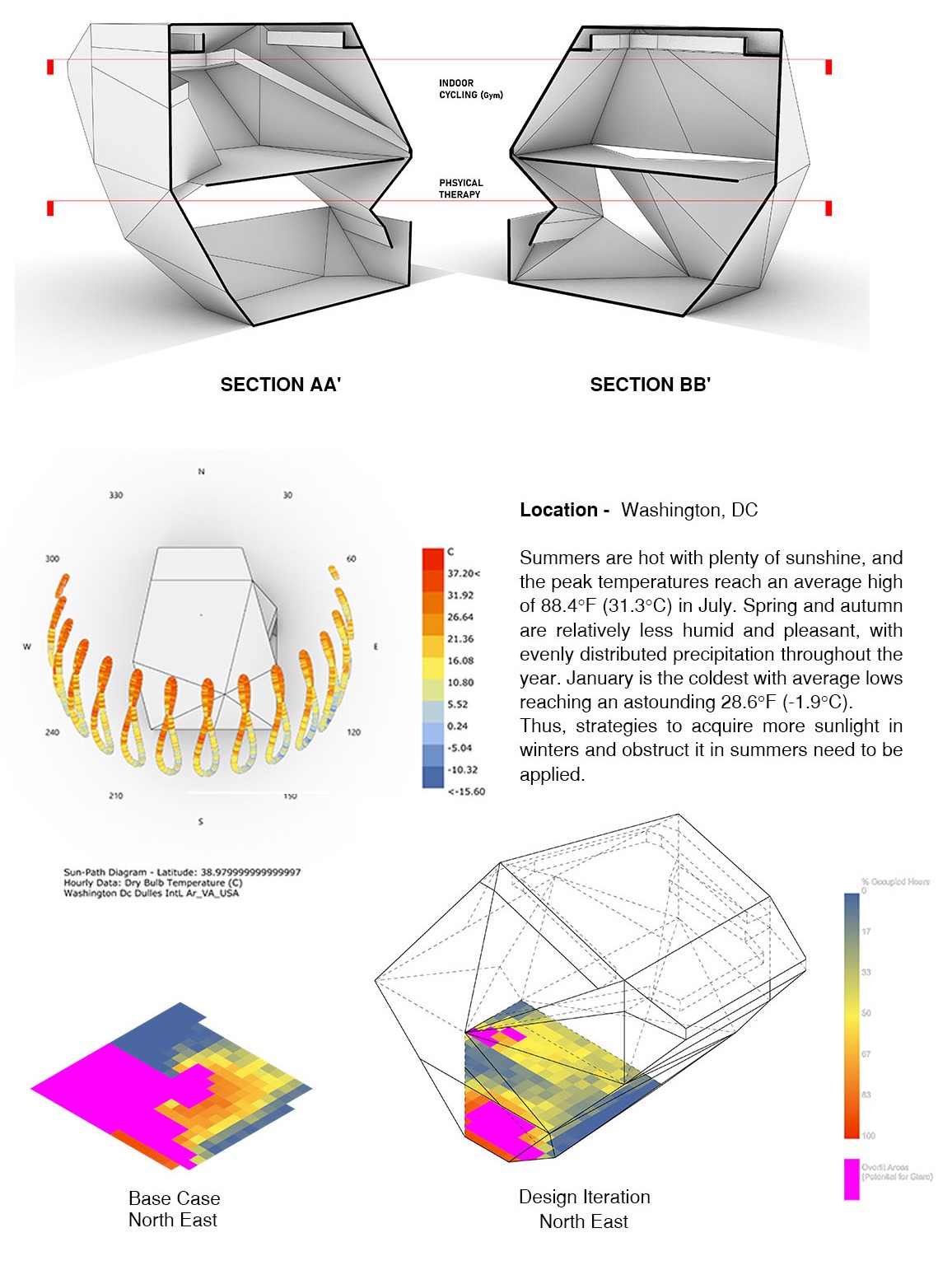
Natural light assessment is a systematic approach used in architecture to evaluate how natural sunlight interacts with a building's design. It involves evaluating the quantity, quality, and spread of daylight within a environment to enhance both the visual and practical aspects of a building. By incorporating daylight analysis at an early stage in the design process, architects can develop spaces that maximize natural light while reducing dependence on artificial lighting, leading to more eco-friendly buildings.
This analysis usually utilizes various approaches and techniques to evaluate factors like daylight availability, glare risks, and evenness of light. Techniques such as light availability factor calculations and spatial daylight autonomy evaluations help architects figure out how much natural light a location will get throughout the year. These evaluations are essential for making sure that interior spaces are not only aesthetically pleasing but also promote occupant comfort and satisfaction.
As daylight analysis becomes increasingly essential to modern architectural practice, its role expands beyond visual enhancements. It greatly contributes to energy efficiency by lowering the need for artificial lighting, which in turn lowers energy consumption and operational costs. Moreover, a properly executed daylight analysis can facilitate adherence with sustainability certifications, making it a critical component in the creation of sustainable buildings.
Benefits of Daylight Analysis
Natural light analysis plays a significant role in optimizing the energy efficiency of structures. By leveraging natural light effectively, architects can significantly reduce reliance on electrical lighting, leading to decreased energy consumption and operational costs. This not only supports the environment by lessening carbon footprints but also improves the overall sustainability of the structure. As energy costs rise and global efforts to combat climate change intensify, incorporating daylight analysis becomes more essential in current architectural practices.
Another clear advantage of natural light analysis is its impact on occupant well-being. Well-lit spaces have been shown to enhance mood, productivity, and overall comfort for space users. Embedding natural light into design promotes biophilic elements, which link occupants with the natural environment. This connection not only supports mental health but also adds to physical health by subscribing to circadian rhythms. Daylight modeling helps architects create spaces that encourage these positive experiences, leading to better environments in office, living, and educational buildings.
Furthermore, daylight analysis assists in achieving certification standards like Leadership in Energy and Environmental Design and Building Research Establishment Environmental Assessment Method, which recognize and promote sustainable design practices. Through detailed evaluation of lighting factors and performance metrics, architects can show compliance with eco-friendly building standards and enhance the marketability of their projects. In this way, daylight analysis not only elevates design aesthetics but also enhances the economic viability of projects by attracting green clients and investors.
Instruments and Techniques for Daylight Modeling
In the field of natural light analysis, a variety of tools hold a crucial role in precisely replicating ambient light inside architectural designs. Daylight Analysis Yeovil Somerset as Radiance Software, ClimateStudio, and the Insight tool are widely used among building professionals for their robust capabilities in visualizing daylight situations. Radiance software is known for its innovative light modeling technology, enabling for high-fidelity visualizations of light behavior across spaces. Climate Studio, on the flip side, offers an intuitive interface combined with the EnergyPlus engine, making it more straightforward to analyze both natural light performance and energy performance in a single platform. Insight, found within the Revit ecosystem, seamlessly connects building information modeling with daylight simulation, allowing designers to make knowledgeable conclusions early in the design process.
Alongside the programs, adopting strategies like climate-based daylight modeling (CBDM) enhances the analysis of daylighting efficiency across different periods. By modeling how Daylight Analysis Street Somerset vary with weather information, designers can predict comfort levels and determine best window placements and sun control strategies. This technique allows for a more nuanced understanding of how each design action impacts natural lighting. Additionally, combining tools and techniques that assess metrics like daylight factor, spatial daylight autonomy, and useful daylight illuminance fosters a holistic view of a site’s relationship with daylight.
In conclusion, as the architecture industry evolves, emerging technologies such as virtual replicas are revolutionizing daylight analysis. Digital twins allow designers to create real-time simulations of their projects while tracking environmental factors and user input. This iterative cycle facilitates the investigation of multiple scenarios, improving design outcomes related to daylighting. By integrating traditional methods with innovative technologies, designers can create areas that not only meet aesthetic standards but also emphasize occupant satisfaction and energy performance.